
HISTORY OF MOBILE PHONES
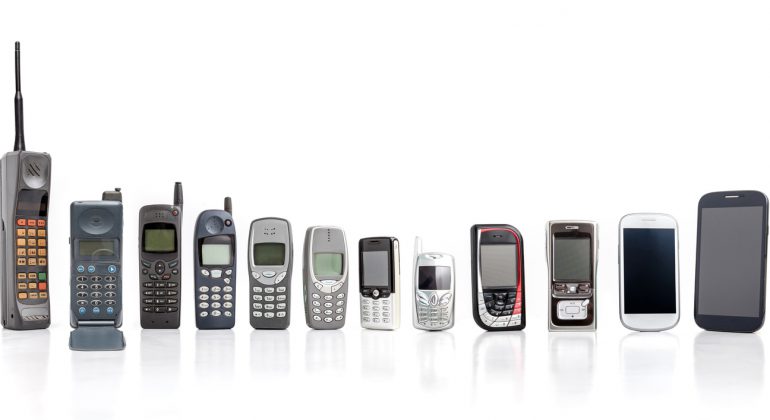
Mobiles, also known as mobile phones or cell phones, are portable communication devices that allow people to make calls, send text messages, and access the internet while on the move. They have become an integral part of modern life, revolutionizing how we communicate, access information, and conduct various tasks. Here are some key aspects of mobiles:
History: The concept of mobile communication dates back to the 1940s and 1950s when the first mobile radio telephones were introduced. However, it wasn't until 1973 that the first handheld mobile phone call was made by Martin Cooper, a researcher at Motorola, using a prototype device. The commercial mobile phone industry took off in the 1980s, with the introduction of 1G (first generation) analog cellular networks.
Evolution of Technology: Mobile phones have gone through several generations of technology since their inception. Each generation brought significant advancements in communication, data transfer rates, and features. The transition from 1G to 2G brought digital networks and SMS capability, while 3G allowed for faster data transfer, enabling mobile internet access. 4G further improved data speeds, enabling video streaming and more sophisticated mobile applications. As of my last update in September 2021, 5G was already being deployed in some areas, promising even faster data rates, lower latency, and improved connectivity for various IT devices.
Features and Capabilities: Modern mobile phones are highly sophisticated devices with various features. Some of the common features include:
Calls and Texts: The basic function of making and receiving calls and sending text messages.
Internet Access: Mobile phones enable access to the internet through mobile data or Wi-Fi connections, allowing users to browse websites, use apps, and access online services.
Apps: Mobile phones support a vast array of applications or "apps" that extend their functionality, from productivity tools to entertainment, social networking, and gaming.
Cameras: Most smartphones come with high-quality cameras, allowing users to capture photos and videos conveniently.
GPS: Global Positioning System (GPS) technology enables accurate location tracking and navigation services on mobile devices.
Multimedia: Mobiles can play audio and video files, making them portable entertainment devices.
Bio metric Security: Many modern smartphones include bio metric security features like fingerprint scanners or facial recognition for unlocking the device and securing sensitive data.
Smartphones vs. Feature Phones: There is a distinction between smartphones and feature phones. Smartphones are advanced mobile devices that offer extensive computing capabilities and run operating systems like Android or iOS. Feature phones, on the other hand, are more basic devices with limited computing power, typically running simple operating systems. However, feature phones are still popular in some regions due to their affordability and simplicity.
Mobile Operating Systems: The most well-known mobile operating systems are Android and iOS. Android, developed by Google, powers the majority of smartphones globally, while iOS, developed by Apple, is exclusive to iPhones and iPads.
Impact on Society: Mobile phones have had a profound impact on society, transforming how we communicate, work, and live. They have made communication instantaneous, breaking down barriers of distance and time. Additionally, mobile phones have facilitated the rise of mobile commerce, social networking, and on-demand services, changing the way people conduct business and interact with each other.
Mobile Security: With the increasing reliance on mobile devices, mobile security has become a crucial concern. Protecting personal data, securing mobile transactions, and safeguarding against malware and cyber threats are all essential aspects of mobile security.
Mobiles continue to evolve rapidly, and with advancements like 5G, the proliferation of Internet of Things (IoT) devices, and augmented reality applications, they are likely to shape the future in ways we can't yet fully anticipate


0 Comments